
'The Cut’ on the River Lung
With Nollaig Molloy and Guests
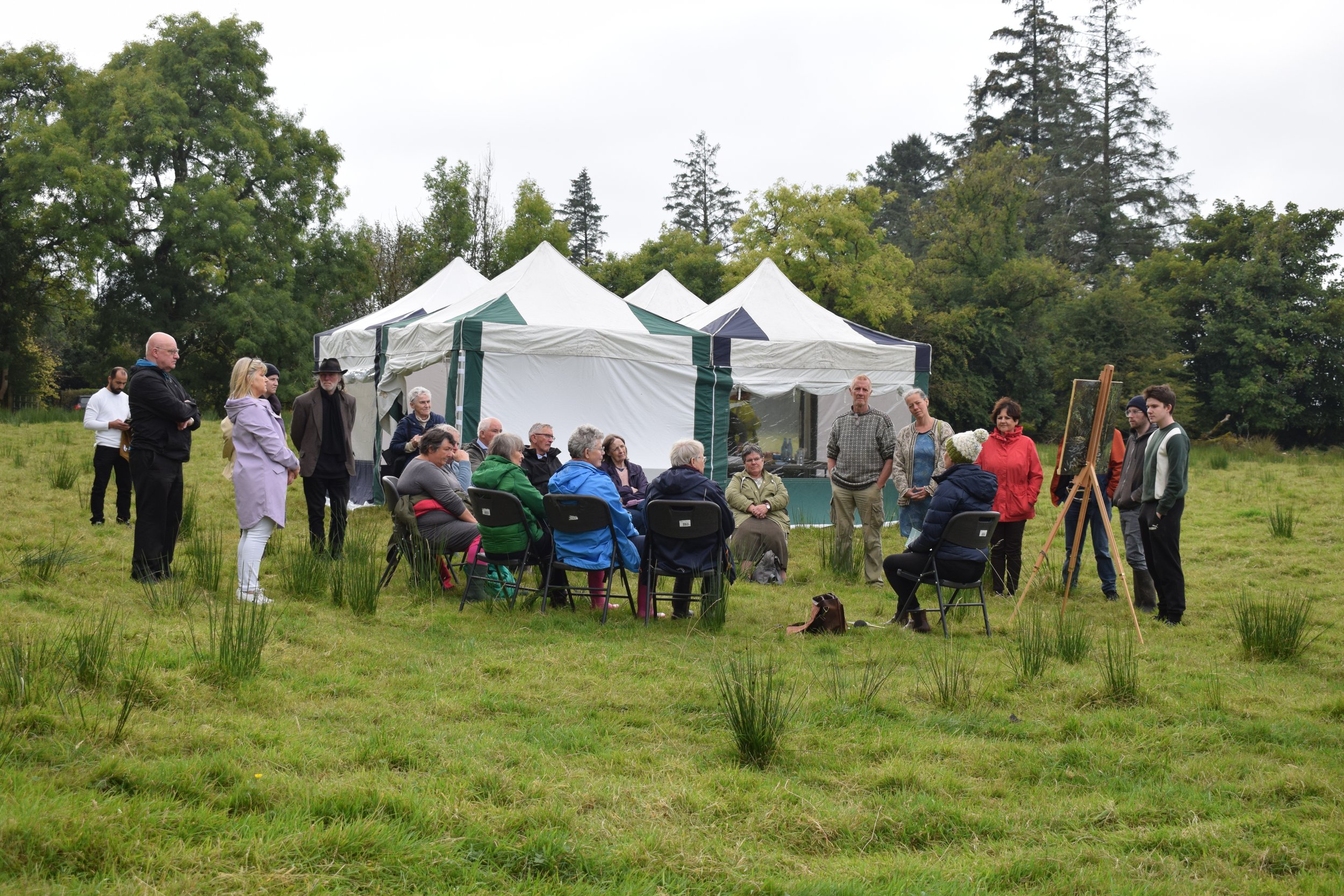
Anna facilitating a contemplative art practice. Photo by Nollaig Molloy
A Day of Connection and Community
Thank you to all participants and everyone who attended this unique celebration along the banks of the River Lung. The event was a wonderful opportunity to bridge past and present, bringing heritage sites like 'The Cut' to life in ways that resonate with contemporary issues.
It highlighted the profound connection between people and place, reminding us of the importance of preserving these bonds for future generations.
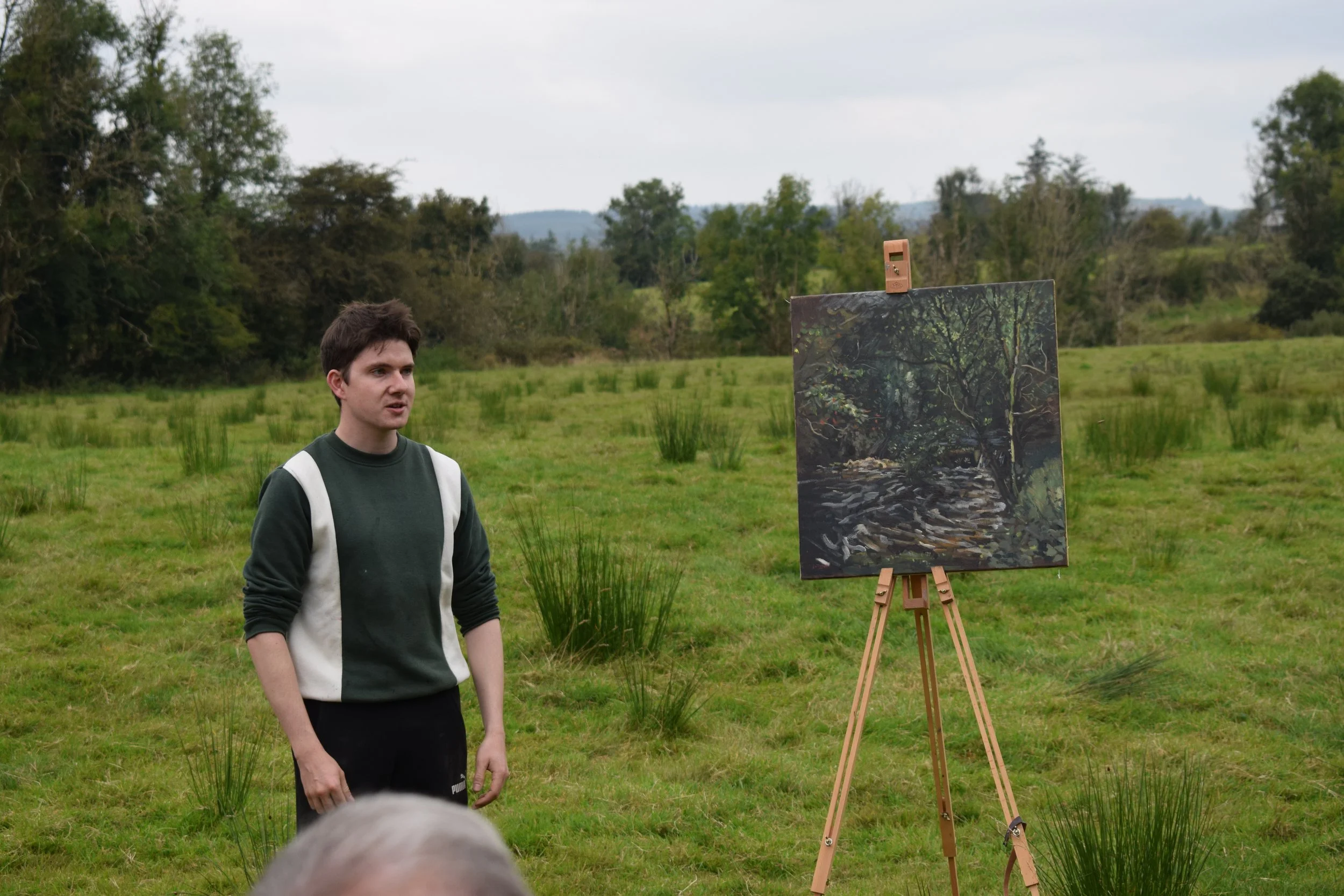
Painter, Conor O'Connell, unveiling his painting of The Cut.
Celebrating The Cut: An Artistic and Community Event on the River Lung
This event, hosted by Creative Places Ballaghaderreen artist-researchers Nollaig Molloy and Anna King, brought the local community together to celebrate the rich history and natural beauty of The Cut.
The Cut was a site that fuelled a hydro turbine, which powered the town of Ballaghaderreen from 1913 to the early 1930s. It was also the location of an outdoor swimming pool, once a focal point for gathering and interaction in the 1970s and 1980s.
Through engaging talks, a hands-on clay workshop, and artistic reflections, the event explored the deep connection between people, place, and the significance of the River Lung.
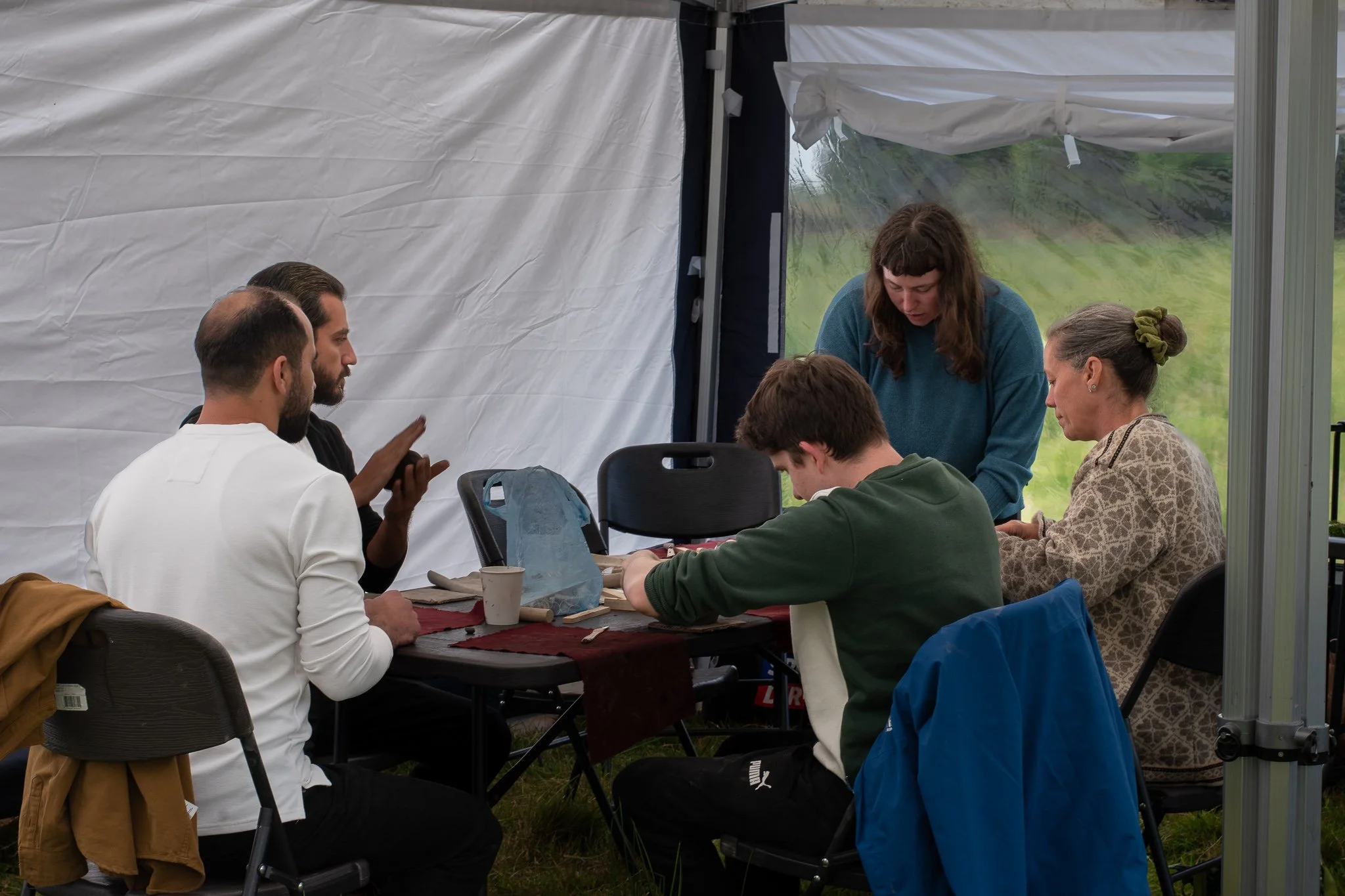
Photo by Anna King
Local Clay Workshop with Nollaig Molloy
Using clay sourced from the riverbank, Nollaig led a clay workshop where participants created individual pieces inspired by the surrounding landscape. Each creation was a response to the textures, landmarks, and terrain of The Cut, making the workshop both a tactile and reflective exploration of the site.

Insights on Water Quality and Biodiversity with LAWPRO
Noreen Shyrane, a Catchment Scientist from the Local Authority Waters Programme (LAWPRO), gave a captivating talk about the River Lung’s water quality and biodiversity. Using a kick sample from one of the river’s tributaries, Noreen explained the ecological challenges facing local waterways, offering insights into both local and global environmental concerns.
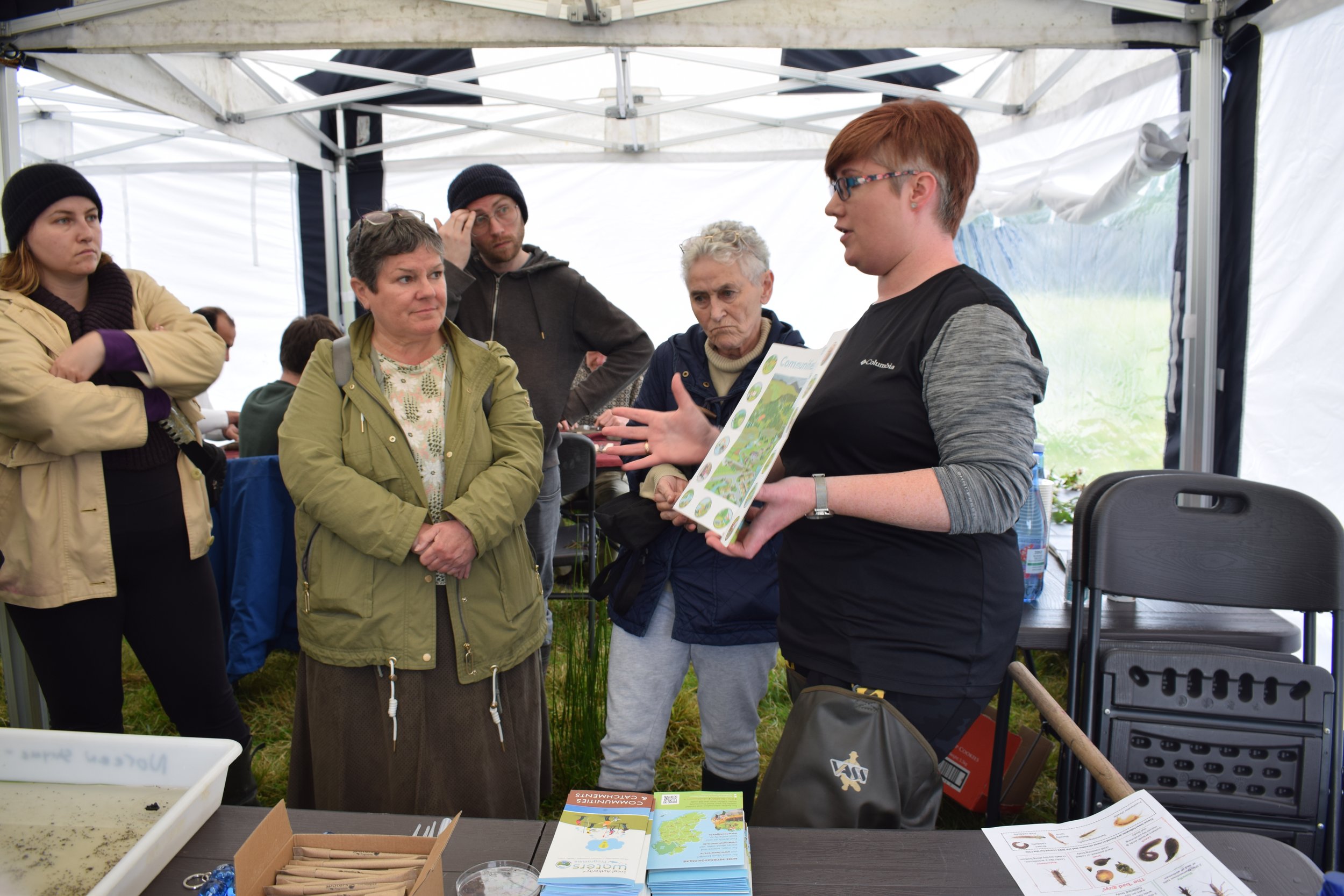
Photo by Nollaig Molloy

Photo by Anna King
Poetry, Contemplation, and Artistic Responses
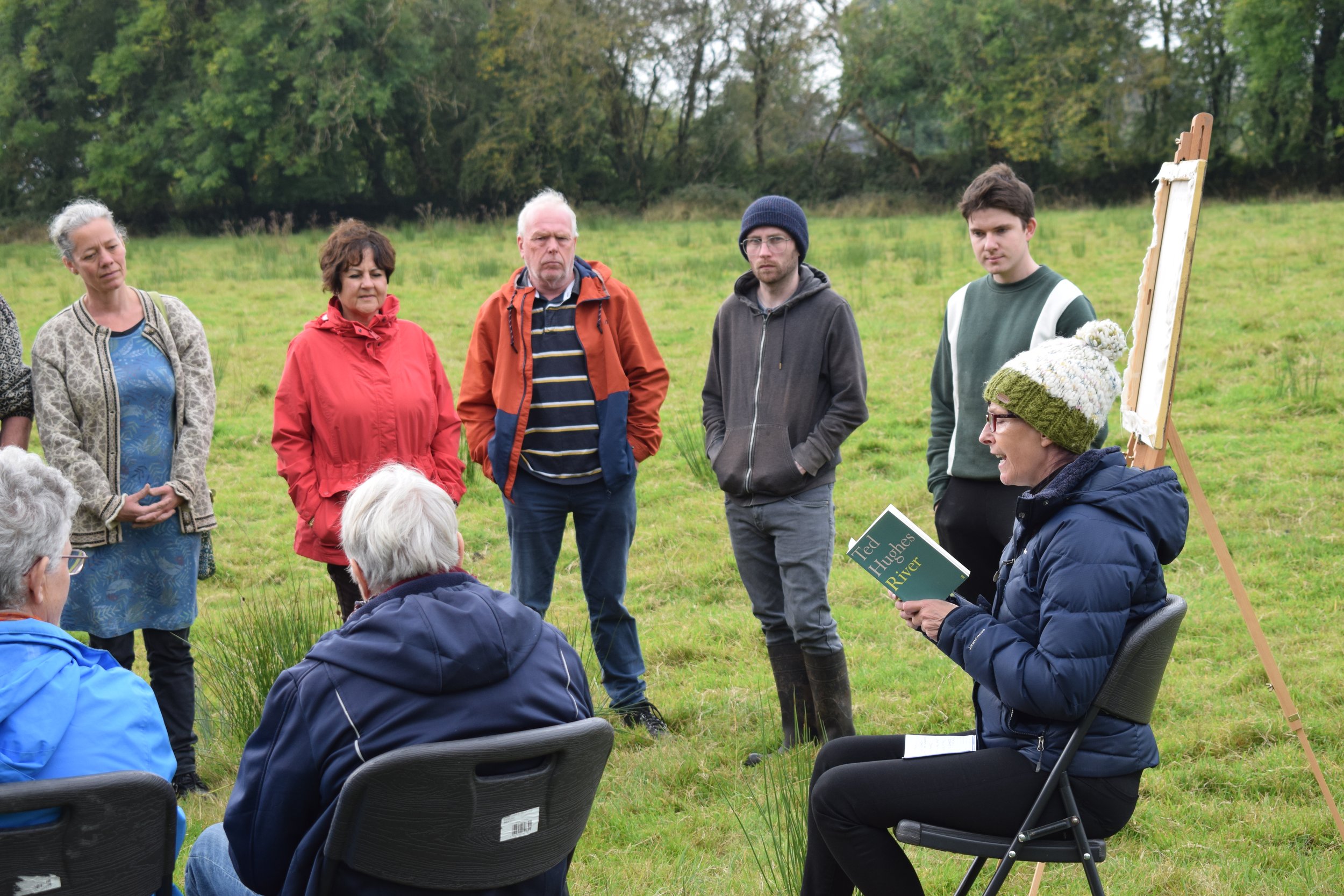
Anna King reflected upon the symbolism of the River Lung, a representation of the timeless flow of life through land and community, embodying the energy and essence of the landscape.
She read poems from Thomas Merton, Ted Hughes, and John O’Donohue, before facilitating a guided mindful meditation that encouraged participants to reconnect with nature and themselves through their senses - by listening to the sound of the river, feeling the wind in the trees, and engaging with the earthy scents rising from the riverbank.
The meditation invited participants to fully immerse themselves in the natural environment, weaving together personal reflection, environmental awareness, and a profound connection to the spirit of the land.

Photo by Nollaig Molloy
In addition, local painter Conor O'Connell revealed an exquisite plein air painting, capturing the essence of the river's wild beauty. Local writer, Carol Beirne, shared her personal experience on the river, eloquently highlighting the intimate bond between people and place.
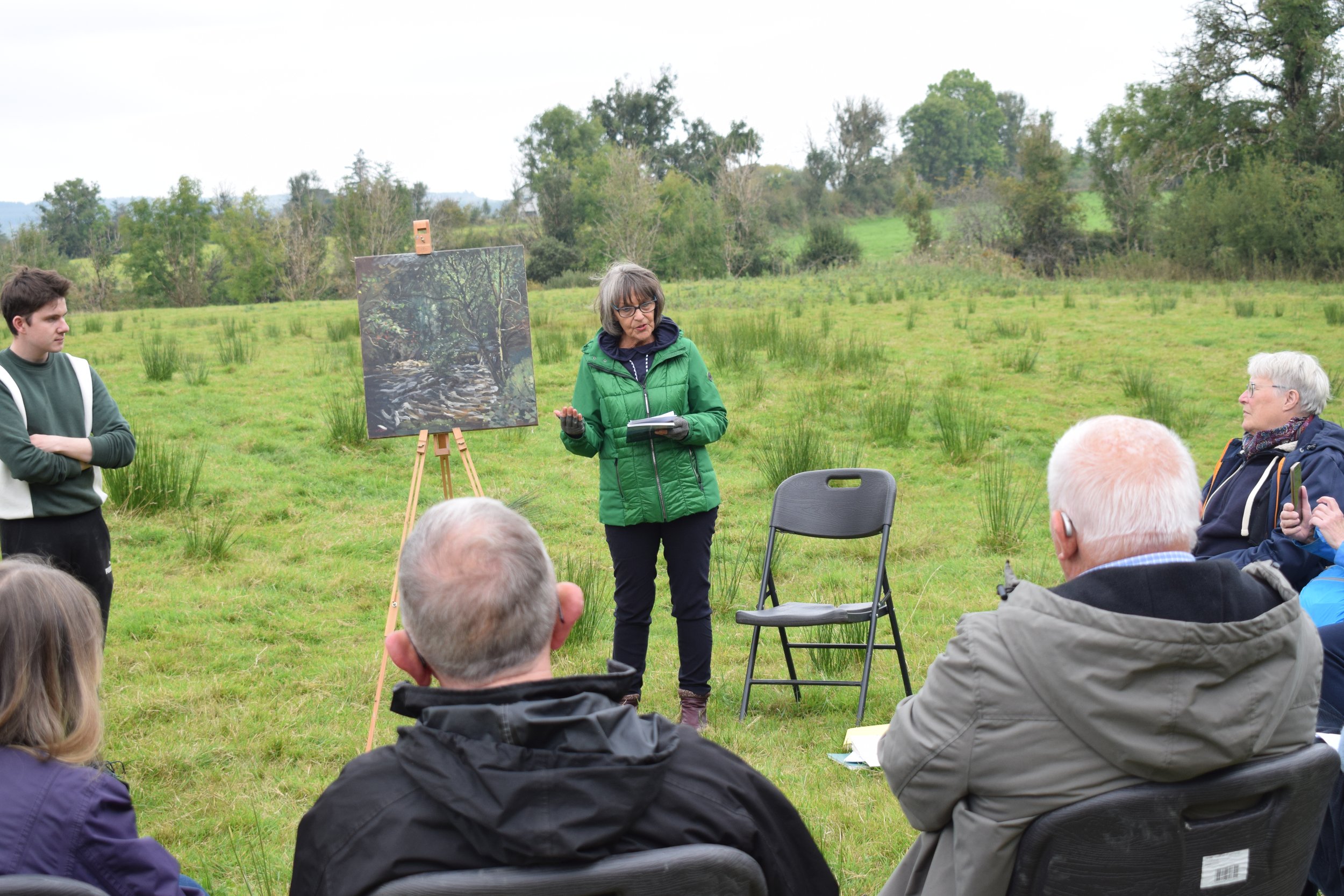
A reading by Carol Beirne. Photo by Nollaig Molloy
A life changing experience of the river lung: James Woods childhood memories.
Below is a recorded audio of some memorable moments from this thought-provoking and heartfelt event.
All of the stories and reflections shared throughout the day emphasise the profound way in which landscapes and waterways are woven into the fabric of community life.

Lastly, a display of Nollaig Molloy’s research on the history of The Cut, the site’s water turbine and the old swimming pool were on display throughout the day.

Photo by Anna King
The event would not have been possible without farmers and landowners Christy McCann, Declan Mc Garry and Cyril O’ Connor. Thanks for your openness and support!
Also, thank you to: Grace, Patricia and Anita in the Community Resource Centre in the Shambles for shelter and seating; to Arrowe for transport and set up; and to Mary for traffic stewarding and continued support as Creative Places Ballaghaderreen Co-ordinator.
A Special thank you to storytellers James Woods and Sean Flood.
Creative Places Ballaghaderreen is supported by Roscommon County Council and Arts Council of Ireland.
This event was originally part of Heritage Week, but due to weather we had to reschedule.

Outdoor Swimming Pool at The Cut. Photo provided by Ballaghaderreen Past & Present.


Resources for audio background sounds: ZapSplat.
St. Nathy’s College Biodiversity Day of Action
Workshop

Art Work by St. Nathy’s Students
A big ‘thank you’ to St Nathy’s College for inviting me to their ‘Biodiversity Day of Action’ and to Caroline O’Doherty for featuring my workshop in her Irish Independent Article.
During my workshop I explored why hope is a crucial motivator for co-creating change in the face of an environmental crisis.
Six important themes emerged, which I intend to investigate further:
There is an urgent need to address the mental and emotional consequences of ‘loss of hope’ among young people.
Hope is a more sustainable emotion than anger.
The debilitating and demotivating consequences of eco-anxiety can undermine collective action.
Schools need to provide opportunities for their students to address eco-anxiety and stress.
Contemplative practices can have a significant impact on reducing the symptoms associated with eco-anxiety and stress.
‘St. Nathy’s Day of Action’ provides us with an excellent case study on how to raise awareness and cultivate hope through positive local action.
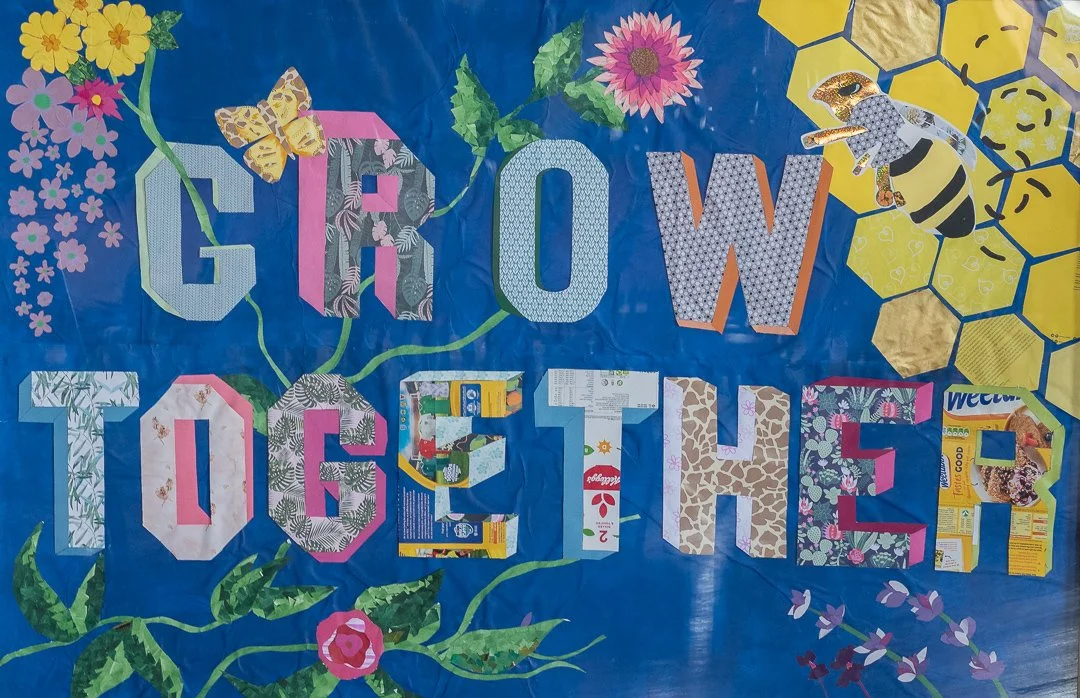
Art Work by St. Nathy’s Students
The Importance of HOPE
During my workshop, I asked students if they felt hopeful about the future of the environment. Not a single hand was raised. When I asked if they had lost all hope, most hands went up.
This stark response highlights a serious issue that needs urgent attention!
Why is hope important?
Hope is a crucial motivator for collective action, especially in addressing environmental crises (ref.1). It is more than just a feeling; hope involves the belief that our actions can lead to positive outcomes, both personally and globally. It fosters a sense of agency and purpose, thus enabling us to endure challenges, imagine new possibilities and strive to make a positive impact. Hope builds resilience and perseverance; it helps us to manage emotions positively, and counterbalances problems with creative thinking.
Research from the American Psychological Association indicates that hope reduces eco-anxiety, depression and overwhelm by promoting active engagement with solutions (such as St Nathy’s Day of Action). In addition, when people rediscover hope, they are more likely to stay informed, participate in discussions, and take meaningful action.
Moreover, hope has a positive effect on health and well-being (ref.2).

Art Work by St Nathy’s College Students
Overwhelm and Avoidance: The Cycle of Inaction
Informing and educating people about the environmental crisis is important, but a growing body of research reveals that many young people experience a decline in mental and emotional health due to negative news about their future. This is often referred to as eco-anxiety.
In addition, people who lose hope tend to feel disempowered. A 2018 study reported in the journal of ‘Climate Policy’ found that people who believe climate change is unstoppable are less likely to engage in proactive personal behaviours, or support policies to address climate change. We know that avoidance is often a coping mechanism to protect oneself from the anxiety and despair that overwhelming information or experiences can trigger. This sentiment was echoed during the ‘Biodiversity Action Day’:
“… I sometimes avoid listening to climate change news, because I find it too distressing” (anonymous).

Art Work by St. Nathy’s Students
The Power of HOPE
While anger can inspire collective action to address the global crisis, it is not a sustainable long-term emotional solution. Hope, however, is both a sustainable emotion and a powerful motivator.
Strategies for Rediscovering Hope
Engage Locally: Individual action can collectively make a significant impact. For instance, St. Nathy’s College Green Schools initiative is a positive case study.
Share Solutions and Success Stories: Focusing on positive outcomes can inspire others. Emotions are contagious! Media and educational establishments need to highlight the solutions that are working - rather than just the problems we are facing.
Integrate Strategies to Reduce Eco-Anxiety in Schools. Mindfulness and contemplative practices can be very effective.
The Power of Guided Meditation
During the workshop at St. Nathy’s College, I led the students through a guided meditation session and contemplative art experience designed to cultivate compassion and hope.
Two students shared how beneficial they found the experience, noting significant relaxation. Such practices provide students with space to process complex feelings and illustrate the power of contemplative practices in reducing stress. Over time, contemplative practices can help young people build the emotional resilience needed to stay engaged and motivated in the face of environmental challenges.
During the workshop I read: “Hope” is the thing with feathers. BY EMILY DICKINSON - 1861

Emily Dickinson's poem is a reminder that hope is something that lives inside of us, and sings to us like a bird…
‘Thank you’ Caroline O’Doherty, Irish Independent Environment Correspondent, for a great article about our workshops, and for facilitating an excellent panel discussion.
Below is a selection of photos from our workshops.

Anita McNicholas from ‘Homeland’ teaching how to plant seeds for bees and other pollinators.


Water quality workshop by Éanna Hyland & Noreen Shryane from Lawpro.

Hedgerow clay making workshop with my Nollaig Molloy.


Khadija Anwar & Meeko Yu at my workshop: Cultivating Compassion & Hope During an Environmental Crisis.
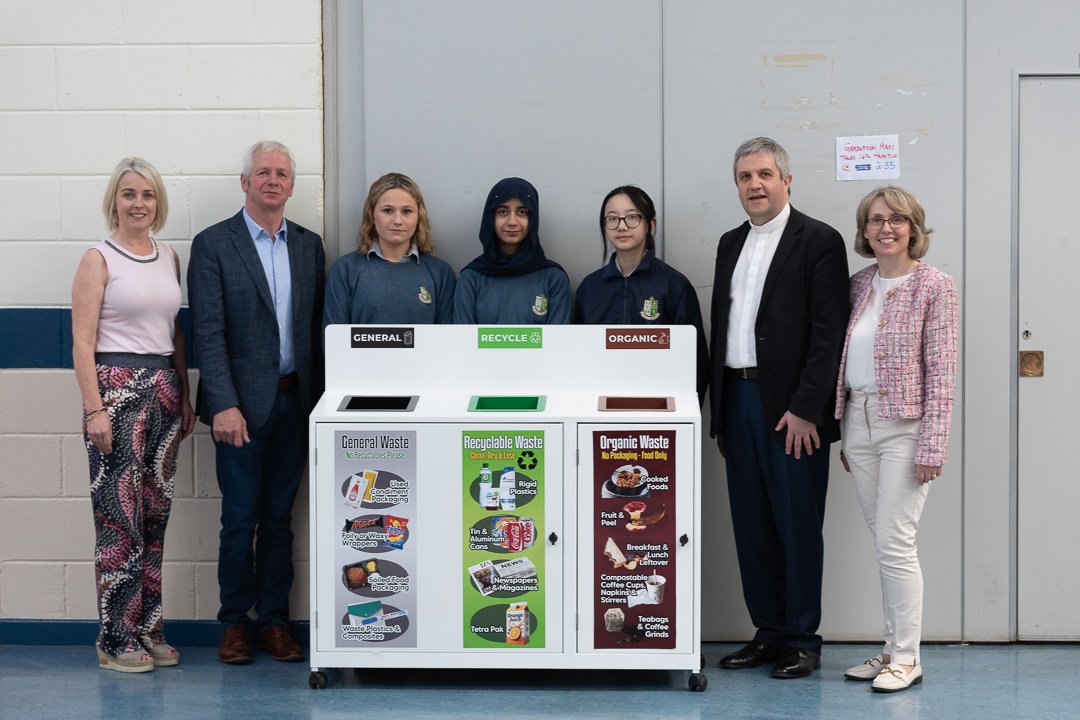
Green School Co-Ordinator, Karen Munnelly, Councillor Liam Callaghan, Kayleigh Collins, Khadija Anwar, Meeko Yu, Fr. Martin Henry (School Principal) & Geraldine Gildea (School DP). Left to right.
References:
Reference 1. 'Hope Matters: Why Changing the Way we Think is Critical to Solving the Environmental Crisis. By Dr Elin Kelsey.
Reference 2. American Psychological l Association: Mental health and our changing climate: Children and youth report.
Optimism and Hope in Chronic Disease: A Systematic Review. Frontiers of Psychology.
The Health Benefits of Hope. Psychology Today.

A Sense of Place
A Unique Workshop
PLACEWAYS Workshops
Creative Places Ballaghaderreen, County Roscommon
In April 2024, Anna facilitated a series of free public workshops in Ballaghaderreen that extended themes emerging from the PLACEWAYS walks.
Hosted at the Family Resource Centre on Saint John’s Terrace and at the Shambles on Market Street, the sessions invited participants to explore past, present and future relationships with place through sensory awareness, reflection and shared expression.
The workshops were open to everyone. No previous involvement in the walks, and no artistic background was required.
Approach
Participants were introduced to a range of sense-based practices including guided visualisation, reflective inquiry and storytelling. Working with natural materials respectfully gathered from the local environment, the group explored how memory, association and feeling are carried through touch, scent, sound and image.
Simple encounters opened complex layers. A branch or fragment of plant life prompted conversations about season, change and return. Smell evoked distant times. Texture suggested continuity between body and landscape.
Following each sensory exploration, participants responded in their own ways. Some wrote or drew. Others spoke or chose silent integration. Every mode of participation was valued equally.

All photos by Anna King
Shared Reflection
Attention moved between individual experience and collective meaning. The group considered how everyday surroundings hold multiple histories and how personal memories intersect with wider narratives.
By the end of the sessions, place was understood not as static backdrop, but as something animated through relationship.


Significance within PLACEWAYS
These workshops formed part of Anna’s residency with Creative Places Ballaghaderreen. They created an indoor, concentrated counterpart to the outdoor walks, enabling deeper exploration of perception, belonging and imagination.
The methods tested here later informed the development of LifeWays and continue to shape Anna’s participatory practice.

Bog Cotton. We reflected upon the storied-landscape from which the items were found.

We enjoyed the aroma of seasonally foraged petals, and considered how certain smells are associated with memory.
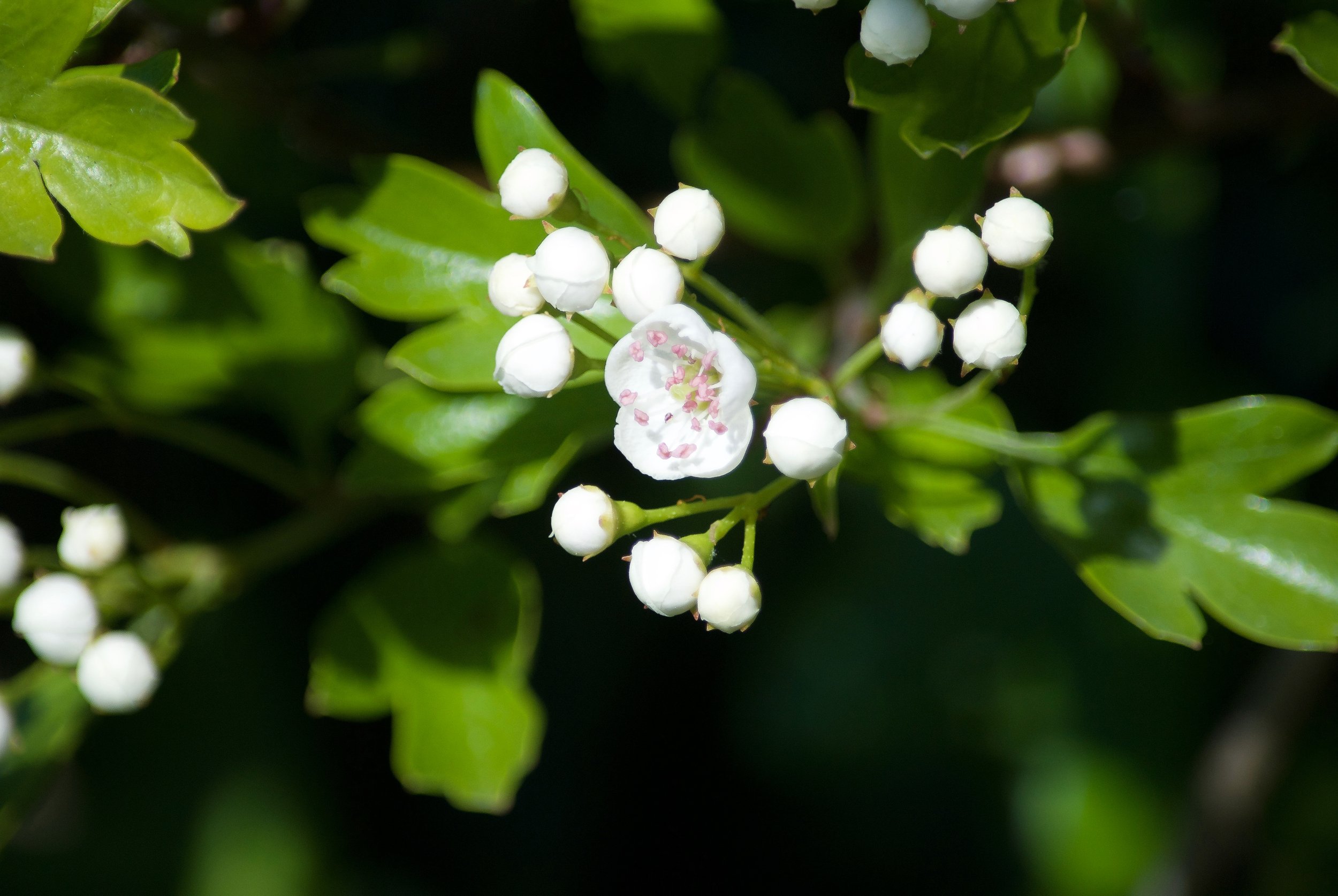
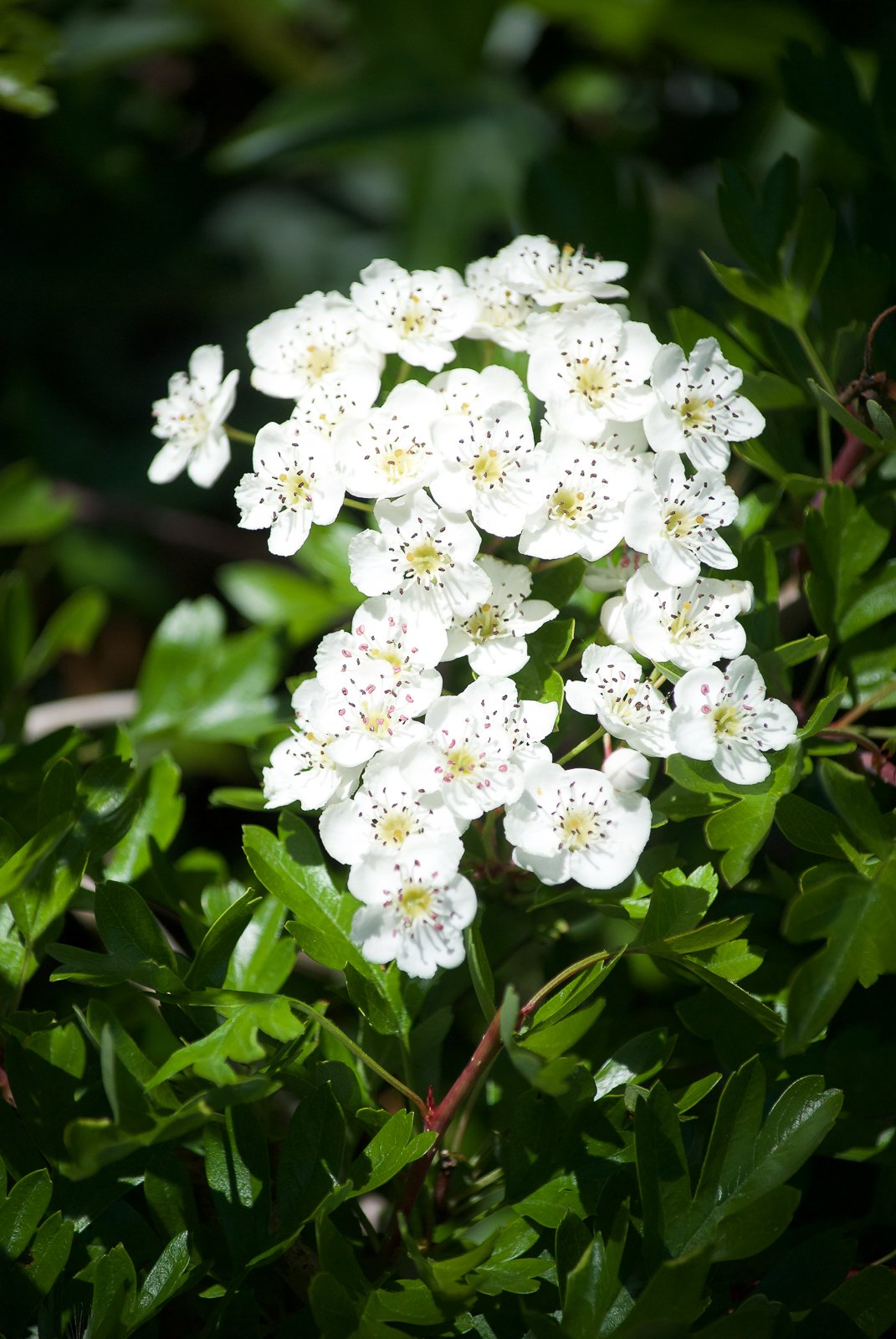
The hawthorn (or May tree), with its delicate spring flowers, vibrant red autumn berries and wintery gnarled branches, remains an important part of Irish folklore and Celtic tradition.